



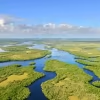
BAHIA HONDA
Where
Bahia Honda State Park is located at 36850 Overseas Highway, Big Pine Key, FL 33043. It features three main beach areas: Calusa, Sandspur, and Loggerhead.
Vibe
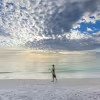
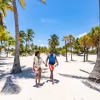
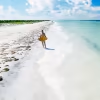
Tranquil escape for nature lovers with iconic Florida scenery. Palm-lined beaches, gin-clear waters and resplendent sunsets make Bahia Honda State Park a serene escape, albeit with abundant outdoor adventures. The park is home to the best natural beaches in the Florida Keys.
Here, expect to see couples, families, and groups of friends, and almost always, snorkelers.
See, feel
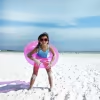
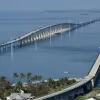
The old Bahia Honda Bridge provides a glorious backdrop for Calusa Beach, a small, narrow beach that faces the Florida Bay and offers two picnic pavilions. It has almost no current or surf. It fills quickly on sunny weekends. Sandspur features parking along the beach; a centralized restroom; and faces the Atlantic Ocean. It’s nearly a mile long and narrow, with shallow water and sand flats. You can escape the crowds here if you walk a bit. Loggerhead is situated on the southern and farthest west side. It offers fantastic snorkeling, some low sandy dunes, and a long stretch of sandy beach. There is often sea grass piled along the beach, which is good for the beach’s ecology, but some consider it unattractive and it can smell. Shade is limited, so consider bringing umbrellas or sunshades or renting them from the concession.
On or near the beach
Swimming, shelling, and kicking back by the surf are popular. Bahia Honda delivers some of the best nearshore snorkeling in the Florida Keys. The crystalline, turquoise water is a mere four to six feet deep, with vibrant sea life only a few hundred feet from shore. Outdoor adventures are unparalleled and numerous: You can rent kayaks and snorkeling gear; take a snorkeling boat tour to Looe Key National Marine Sanctuary; bird, boat, hike or bike; picnic; scuba dive; and enjoy outstanding star gazing.
Accessibility
Accessible parking, picnic pavilions and restrooms. A beach wheelchair is available for free, first-come, first-served. Service animals are welcome. Here’s where you can find more information about park accessibility.
Facilities
Amenities include restrooms and showers; picnic areas that are complete with tables and grills; campgrounds with cabins, RV and tent sites; a boat ramp; a Visitor Center; and nature trails. The park's concession offers souvenirs, essentials and limited marine supplies as well as rental snorkeling equipment, kayaks, umbrellas and beach chairs.
Lifeguards
No. Swim at your own risk.
Parking
Due to the park's popularity, the park may close when it reaches maximum capacity in its day use areas, so arrive early on weekends and holidays.
FREQUENTLY ASKED QUESTIONS ABOUT BAHIA HONDA
Q. Where is Bahia Honda?
A. In the Lower Florida Keys, on its own island between Marathon and Big Pine Key, right on the Overseas Highway. Bahia Honda State Park takes up most of the island, and Key West is further southwest down U.S. 1.
This matters because sand is scarce in the Keys. Most of the island chain is mangrove and rock rather than beach, which is why a genuine wide sand beach here draws people from the whole archipelago.
Q. What are the hours and what does it cost?
A. The park is open 8 a.m. until sundown, 365 days a year. Entry is charged per vehicle, with a Monroe County surcharge added per person on top of the standard state park rate. Current rates are on the park's hours and fees page.
The park can reach capacity and close its gates temporarily on busy days, particularly on weekends and holidays. Arriving early is the reliable way in.
Q. How many beaches are there, and how do they differ?
A. Three, and they are genuinely different from one another.
Calusa Beach faces Florida Bay. It's small and narrow with almost no surf or current, and it has two picnic pavilions with grills. Loggerhead Beach faces the Atlantic and runs about 3,000 feet, with shallow water that suits easy swimming. Sandspur Beach also faces the Atlantic, runs close to a mile, and is the longest of the three, with parking along the sand and its own restroom.
Sandspur was rebuilt and reopened in 2022 after an extended restoration.
Q. Are there lifeguards?
A. No. Bahia Honda has no lifeguards on any of its three beaches, and swimming is at your own risk.
Q. What is the water like?
A. Shallow and generally calm on all three beaches, because the reef tract offshore takes the energy out of the Atlantic swell before it reaches the Keys. Calusa on the bay side is calmer still.
The real hazard here isn't surf, it's current. Bahia Honda Channel runs beside the park and tidal flow through it can be strong, so stay in the swimming areas and out of the channel. Rip currents can occur even when the ocean appears calm. If you're caught in one, swim parallel to shore until the pull releases rather than fighting straight in. Call 911 in an emergency. Watch for jellyfish and, in the shallows, stingrays: shuffle your feet on the way in, and if you're stung, get medical attention and call 911 if the reaction is serious.
Q. Can I walk the old bridge?
A. Part of it, yes. The old Bahia Honda Rail Bridge was built for Henry Flagler's Overseas Railroad and later carried the highway until the current bridge opened in 1972. It no longer carries traffic.
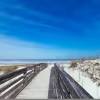
A nature trail in the Calusa area climbs to a section of the old bridge that's open on foot, and the view from up there, back over the park and the water, is the photograph people come for. The rest of the structure is closed and unsafe, so stay on the maintained section.
Q. Is the snorkeling good?
A. It’s outstanding. The park promises some of the best nearshore snorkeling in the Florida Keys. Visitors can see soft corals, small coral heads, tropical fish, queen conchs and spiny lobster just a few hundred feet offshore, with shallow water around four to six feet, making it good for beginners. .
The park concession also runs snorkeling tours out to Looe Key, part of the Florida Keys National Marine Sanctuary, roughly 12 miles offshore. The concession’s snorkeling tours are held where the water runs about five to 15 feet deep over the reef, though the broader reef depth is five to 70 feet The concession rents snorkel gear, kayaks, umbrellas and beach chairs, and it's open daily 8 a.m. to 5 p.m. with a snack bar and gift shop.
Q. Can I camp or stay overnight?
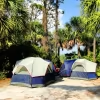
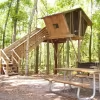
A. Yes. The park has campsites, including oceanfront sites at Sandspur, and six cabin units arranged as three duplexes. Five of the cabins sleep up to six and have a full kitchen, bathroom and two bedrooms. The sixth sleeps four and is wheelchair accessible.
Sites and cabins book through the Florida State Parks reservation system up to 11 months ahead, and they go quickly. They are among the hardest reservations to secure in the entire Florida state park system.
Q. Is the park accessible?
A. The park delivers accessible parking, ADA-accessible restrooms in the campground bathhouses, an accessible picnic pavilion and grill at Calusa, and the wheelchair-accessible cabin noted above.
A beach wheelchair is available for free and is shared on a first-come, first-served basis. The experiences and amenities page lists what the park has.
Q. Can I bring my dog?
A. Into the park, yes. Onto the beach, no. Pets are welcome in the park on a handheld leash of up to six feet, under control at all times and never left unattended.
They are not allowed on any of the beaches or in the water, and not in the cabins, bathhouses, pavilions or the concession building. Service dogs are welcome in all areas of the park.
Q. When is the best time to visit?
A. Winter and early spring are the most comfortable, and the water stays usable through them. Keys water sits in the low to mid-70s in January and February, cool enough to notice but warm enough to swim, and the air is mild and dry.
Summer is hot and humid with afternoon thunderstorms and the warmest water of the year, and the park is generally quieter on weekdays than at weekends.
Q. What about sea turtles?
A. Nesting season in the Florida Keys runs April 15 through Oct. 31. Loggerhead Beach is named for the turtles that nest along this shoreline, and nests are marked and monitored through the season.
Stay clear of marked nests and their stakes, and keep well back from any turtle you see. Fill in holes and knock down sandcastles before you go, because either can trap a hatchling on its way to the water, and take chairs, umbrellas and tents off the sand overnight.
On lighting, the rule is not simply that lights go off. Monroe County follows Florida's model ordinance, and the standard is to keep light long in wavelength, low to the ground and shielded so it isn't visible from the beach. Properly shielded, long-wavelength amber, orange or red lighting can be used.. Florida Fish and Wildlife publishes the lighting rules, and disturbed nests or injured turtles go to the state Wildlife Alert line at 888-404-3922.
MORE GREAT BEACHES IN SOUTHEAST FLORIDA
Fort Jefferson, Dry Tortugas
Fort Zachary Taylor State Park, Key West
John Pennekamp Coral Reef State Park
Smathers Beach, Key West


