




JOHN PENNEKAMP CORAL REEF STATE PARK
Where
John Pennekamp Coral Reef State Park is located at Mile Marker 102.5 Overseas Highway,
Key Largo, FL 33037.
Vibe
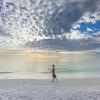
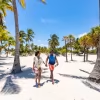
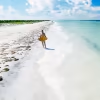
Nirvana for snorkeling and swimming at the country’s first undersea park. While the park's colorful coral reefs are the shining stars of the show here, John Pennekamp Coral Reef State Park is also home to two manmade beaches, each with its own distinct personality. Embark on a snorkeling expedition to find artifacts from an early Spanish shipwreck just 100 feet offshore at Cannon Beach; and swim or soak up the sun under the palms at Far Beach, with a wheelchair accessible shoreline.
See, feel
Aptly named for the cannons perched on its sands, Cannon Beach promises soft, fine sand and shallow water without big waves, making it ideal for small children or timid swimmers. The bottom is rocky, so water shoes are recommended. The crystalline waters are perfect for wade-in snorkeling, brimming with colorful tropical fish, crabs and shrimp. Venture out 100 feet to explore the Spanish shipwreck.
Tiny tots and weak swimmers will appreciate scenic Far Beach’s placid waters. The sand is soft, but water shoes are a good idea due to the rocky bottom offshore. This small beach is popular, so arrive early.
On or near the beach
Gasp at the glory of John Pennekamp Coral Reef State Park’s vividly-hued coral reefs, teeming with marine life, on a glass-bottom boat tour—or get an even closer look by scuba diving or snorkeling. Activities and adventures include canoeing and kayaking; fishing; hiking on short trails; picnicking; and checking out the 30,000-gallon saltwater aquarium and nature videos at the Visitor Center. To immerse yourself in nature, reserve a campsite and fall asleep under the stars.
Accessibility
Far Beach is accessible by Mobi-mat, and a beach wheelchair is available upon request at the visitor center and the aquarium building.
In addition, the following amenities are wheelchair-friendly: the glass bottom boat, the Spirit of Pennekamp; the snorkeling vessel, the Encounter; the dock for rental kayaks and canoes; and the playground area. The restrooms, picnic pavilions, tables and benches are accessible, as are the campsites. Large-print formats for Florida Park Service publications and other literature are available upon request.
You’ll find assisted listening devices in the visitor center and aquarium auditorium.
Facilities
Facilities include picnic tables; grills; pavilions; a dive shop; an amphitheater; boat ramp; canoe/kayak launch; concession and restaurant; camping; a playground; restrooms; outdoor showers and a visitor center.
Lifeguards
There are no lifeguards; swim at your own risk.
Parking
With 351 parking spots, John Pennekamp Coral Reef State Park usually has adequate parking, but it can fill during weekends and holidays, usually in early afternoon. If this happens, the park will close temporarily but will reopen as soon as spaces become available. Parking is included with the park entrance fee.
FREQUENTLY ASKED QUESTIONS ABOUT JOHN PENNEKAMP CORAL REEF STATE PARK
Q. Where is John Pennekamp Coral Reef State Park located?
A. John Pennekamp Coral Reef State Park is in Key Largo, the northernmost island of the Florida Keys, at Mile Marker 102.5 on the Overseas Highway. Key Largo is about an hour and 20 minute drive southwest of Miami on U.S. Highway 1.
Here’s where you can get directions to John Pennekamp Coral Reef State Park on Google Maps.
Q. What is John Pennekamp Coral Reef State Park, and why is it significant?
A. Established in 1963, John Pennekamp Coral Reef State Park was the first underwater park in the United States. It covers roughly 70 nautical square miles extending about three miles into the Atlantic Ocean and encompasses part of Florida's living coral reef system, the only one in the continental U.S.
The park was created specifically to protect the reef from damage caused by souvenir collectors and dredging. It was named for Miami Herald editor John Pennekamp, whose advocacy helped push the conservation effort through the state legislature.
For visitor information, visit the state parks page.
Q. What activities does the park offer?
A. The park's primary draw is getting into or above the water. Glass-bottom boat tours aboard the Spirit of Pennekamp let visitors see reef life without getting wet. Guided snorkeling tours go out to Molasses Reef, Grecian Rocks and Key Largo Dry Rocks (Christ of the Abyss) . Scuba diving trips reach the deeper sections of the reef. Canoes and kayaks are available for rental to explore the park's mangrove waterways.
On land, the park has a visitor center with a 30,000-gallon saltwater aquarium, an amphitheater, a dive shop, a restaurant and concession, picnic areas, grills, playgrounds, restrooms and an outdoor shower area.
For current tour schedules, pricing and rental availability, check out information from the park concessionaire.
Q. What are the beaches at John Pennekamp Coral Reef State Park?
A. The park has two small beaches: Cannon Beach and Far Beach. Both feature relatively calm water and soft sand, but both also have rocky bottoms in the shallow zone. Water shoes are strongly recommended for both.
Cannon Beach has very shallow water and is a better choice for young children who want to wade. Far Beach is slightly more open and a better fit for calm-water swimming. Neither beach has lifeguards on duty.
These beaches are smaller and rockier than what most visitors picture when they think of a Florida beach. The real draw at Pennekamp is the reef, reached by boat.
Q. What are the hours, and what does entry cost?
A. The park is open 8 a.m. to sunset daily. Entry is charged per vehicle, with 351 parking spaces available inside. Parking fees are included in the entry cost.
Boat tours and rentals carry separate fees on top of park entry. You can plan your trip, find current costs, and make reservations on the park’s website.
Q. What is the Christ of the Abyss statue, and can visitors see it?
A. The Christ of the Abyss is an 8.5-foot bronze statue placed in about 25 feet of water at the park's Key Largo Dry Rocks reef site. The outstretched arms face upward toward the surface, making it one of the most photographed dive and snorkel sites in the Florida Keys.
The statue is reachable on a snorkel tour, since it sits in shallow enough water to see from the surface. Scuba divers can get closer and spend more time at depth. Strong swimmers may be able to free dive to it, but the park's guided tours are the most reliable way to find it.
The statue is a replica of a sculpture originally installed off Genoa, Italy in 1954; the Florida version was donated to the Underwater Society of America in 1961.
Q. What will visitors see when snorkeling at Pennekamp?
A. Florida's coral reef system hosts more than 600 species of fish and roughly 40 species of coral. At Pennekamp, snorkelers typically see parrotfish, angelfish, sergeant majors and snapper around the coral heads, along with sea fans, brain coral and star coral formations. The Spanish shipwreck site adds structural relief that attracts schooling fish.
Water visibility depends heavily on conditions. After calm weather, the water is clear enough to see the bottom from the surface at most snorkel sites. After a storm or with wind-driven current, visibility can drop significantly. Checking conditions before booking a tour is worth the call.
Feeding fish is prohibited in the park, and touching coral is prohibited and damages the reef.
Q. Is there camping at John Pennekamp Coral Reef State Park?
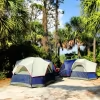
A. Yes. The park has a campground with full-facility sites and separate youth and group camping areas.
Campground spots fill quickly during winter and holiday periods, so reservations well in advance are essential. You can plan your trip, find current costs, and make reservations on the park’s website.
Q. Is Pennekamp good for families with kids?
A. It's an excellent choice for families, particularly those with children who are interested in marine life. The 30,000-gallon aquarium at the visitor center is free with park entry and holds kids' attention before or after a water activity.
The glass-bottom boat tour requires no swimming ability and gets children directly over the reef in a comfortable, guided setting. Cannon Beach's very shallow water is appropriate for young waders. First-time snorkelers can join the guided tours, which provide equipment and instruction.
There are no lifeguards anywhere in the park. Parents should stay attentive near the water and ensure children use properly fitted snorkel gear on tours.
Q. Is John Pennekamp Coral Reef State Park accessible for visitors with disabilities?
A. Far Beach has a Mobi-mat path to the waterline, and beach wheelchairs are available at the park. Multiple vessels in the tour fleet are also equipped to accommodate wheelchair users.
You can plan your trip, find current costs, and make reservations on the park’s website.
Q. What other attractions are near John Pennekamp Coral Reef State Park?
A. Key Largo is known as the diving capital of the world; beyond Pennekamp, the surrounding waters hold the 510-foot USS Spiegel Grove, one of the largest artificial reefs in the Florida Keys and a premier wreck dive. Multiple dive shops along U.S. Highway 1 offer full-day and half-day charters.
The History of Diving Museum, about 15 miles south in Islamorada, documents 4,000 years of diving history with a large collection of antique equipment and is worth a stop for anyone interested in the sport. Key Largo also has several sportfishing marinas, sunset cruise operators and kayak outfitters.
Q. When is the best time to visit John Pennekamp Coral Reef State Park?
A. Winter and spring (December through April) offer the most reliable visibility and calm reef conditions. Water temperatures are cooler than summer but comfortable for snorkeling with a wetsuit or rash guard. This is also the busiest period, with tour boats filling up quickly on weekends.
Summer brings warmer water (above 85 degrees Fahrenheit), which can contribute to afternoon thunderstorms and occasional reduced visibility. Morning departure times for tours clear the water before afternoon wind builds and before storms develop.
Hurricane season runs June through November. Most storms track well away from the Keys, but a major storm can close the park for days and significantly affect reef conditions for weeks afterward. Check weather and reef conditions reports before booking.


