




DR. VON MIZELL-EULA JOHNSON STATE PARK
Where
Dr. Von Mizell-Eula Johnson State Park is situated at 6503 N Ocean Dr, Dania Beach, FL 33004.
Vibe
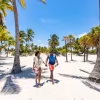
A historic, idyllic urban oasis celebrating nature and the outdoors. Escape the city and enjoy the sound of the surf at Dr. Von Mizell-Eula Johnson State Park, a stretch of serene, pristine shoreline with a prominent role in the Civil Rights Movement. Today, everyone is welcome here. You’re likely to see families grilling up something delicious for a picnic just steps away from the beach; kids laughing in the waves; treasure hunters searching for colorful seashells; fishermen casting their lines; and perhaps snorkelers wading out to explore the water.
See, Feel
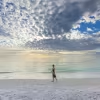
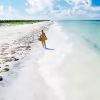
Sandwiched between the Intracoastal Waterway and the Atlantic, with a tidal waterway dividing it, this park promises two ½ miles of uncrowded beach. The coarse sand is a beautiful grey-brown color, and laden with shells, while the ocean’s hue changes depending on its mood—sometimes cobalt or navy, but other times a turquoise color. On the north end of the park, by the jetty, you can watch enormous cruise ships and barges arrive and depart from Port Everglades. Expect some waves, which will vary according to the tides, wind, and offshore systems.
On or Near the Beach
On the beach, you can swim; go for a stroll and search for shells; snorkel; and enjoy spectacular birdwatching. Scuba enthusiasts will appreciate the park’s simple shore dive on a reef teeming with sea life that includes tropical and sport fish, sharks and Florida lobster. Other park activities include boating, birding, fishing, hiking, biking and paddling.
Accessibility
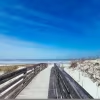
Beach accessibility features include boardwalks to the beach and beach wheelchairs that are available on a first-come, first-served basis. Inquire at the entrance station. In addition, Whiskey Creek Hideout, the environmental Education Center, marina, parking, picnic facilities and restrooms are all handicap accessible. Service animals are welcome in all areas of Florida State Parks.
Facilities
Facilities at Von Mizell-Eula Johnson State Park include restrooms throughout the park; shower stations; a water fountain and refillable water bottle station; pavilions; and picnic areas, complete with tables and grills and available on a first-come, first-served basis. Whiskey Creek Hideout offers chair and umbrella rentals, kayak and paddleboard rentals, a full restaurant, limited picnic supplies, and ice.
Lifeguards
No lifeguards are on duty; swim at your own risk. Visitors are reminded to pay close attention to the Warning Flag Signs posted at welcome stations and on the beaches. These flags indicate the swimming conditions at the beach.
Parking
You’ll find several large parking areas conveniently located throughout the park, but they can fill on holiday weekends.
FREQUENTLY ASKED QUESTIONS ABOUT DR. VON D. MIZELL-EULA JOHNSON STATE PARK
Q. Where is the park?
A. At 6503 N. Ocean Drive in Dania Beach, Broward County, on a barrier island between Fort Lauderdale to the north and Hollywood to the south. Dr. Von D. Mizell-Eula Johnson State Park runs along the Atlantic with Port Everglades immediately north of it.
That port setting is part of the character. Cruise ships and cargo vessels pass close to the north end of the beach on their way in and out of the channel, which is a genuine spectacle rather than a nuisance.
Q. Why is the park named for two people?
A. Because it's a civil rights site. The park was called John U. Lloyd Beach State Park for decades, and was renamed in 2016 for Dr. Von D. Mizell and Eula Johnson, becoming the first Florida state park named for African Americans.
Dr. Mizell, founding president of the Broward County NAACP, helped lead the campaign for beach access for Black residents. A petition was submitted to county commissioners in 1946, but the site wasn't selected until 1951, and the county acquired it in 1954. Without a road, Black beachgoers had to arrive by boat. On July 4, 1961, Dr. Mizell and Eula Johnson helped launch a series of wade-in protests at segregated Fort Lauderdale beaches. In 1962, a court rejected the city's attempt to stop the demonstrations, helping advance desegregation.
The park's boat ramp is named the Alphonso Giles Boat Ramp, for the man who ferried Black residents out to the beach during the years when there was no road. The park sets out the full story on its history page.
Q. What are the hours and what does it cost?
A. Open 8 a.m. until sunset, 365 days a year. Entry is charged per vehicle, with lower rates for pedestrians and cyclists. Current rates are on the park's hours and fees page. The boat ramp operates on a different schedule, opening one hour before official sunrise and closing at 11 p.m.
Q. Are there lifeguards?
A. No. There are no lifeguards at this park, and swimming is at your own risk. That is standard across Florida's state parks, and it's a real difference from the guarded municipal beaches at Fort Lauderdale and Hollywood either side.
The park posts warning flag signs at the welcome station and on the beach.
Q. What is the water like?
A. Atlantic beaches tend to have more waves than the Gulf. Conditions change daily, and rip currents can occur even when the ocean appears calm.
The proximity to the Port Everglades channel matters at the north end, where currents can run harder. If you're caught in a rip current, swim parallel to shore until the pull releases rather than fighting straight back in. Call 911 in an emergency. Jellyfish and Portuguese man o' war sometimes wash ashore, particularly with onshore winds. Avoid touching them, even when stranded on the sand. If stung, get out of the water, avoid rubbing the area and seek guidance on appropriate first aid, which varies by species. Call 911 for breathing difficulties, fainting or other signs of a severe reaction.
Q. What is Whiskey Creek?
A. A tidal creek running behind the beach dune, and the reason many people come. It's sheltered, shallow and mangrove-lined, which makes it well suited to kayaking and paddleboarding when the ocean side is choppy.
Rentals are available in the park. Boaters can beach their boats on the sandy bottom in designated sheltered areas, and the park's concession offers food, kayak rentals and paddleboards along Whiskey Creek.
Q. Can I launch a boat?
A. Yes. The Alphonso Giles Boat Ramp handles trailered boats up to 36 feet, and the adjacent lot holds around 90 vehicle and trailer rigs.
It gives quick access to the Intracoastal and out through Port Everglades inlet, which is why it's popular with anglers and divers heading offshore. The boat ramp opens one hour before official sunrise and closes at 11 p.m.
Q. What else is there to do?
A. Fishing from the jetty and the shoreline, picnicking at tables and grills, and walking the shoreline. There's an environmental education center and marina facilities, and the park's experiences and amenities page lists what's on site.
The beach itself is wide and undeveloped, with no buildings behind it, just dune and sea grape.
Q. Is the park accessible?
A. Yes. Accessible paths and ramps connect the parking areas to the beach, and beach wheelchairs are available on a first-come, first-served basis at no charge.
The concession, the environmental education center, marina, parking, picnic facilities and restrooms are all accessible. The park's experiences and amenities page lists all accessible features.
Call the park ahead to confirm a chair is free on the day you're coming.
Q. Can I bring my dog?
A. Into the park, yes. Onto the beach, no. Pets are welcome in the park on a handheld six-foot leash, well behaved and never left unattended, and you pick up after them.
They are not allowed on the beaches or along the natural shoreline of any waterway in the park, which includes the Whiskey Creek bank. Service animals are allowed in all areas.
Q. When is the best time to visit?
A. Winter is comfortable and usable here. Ocean temperatures off Broward County sit in the low to mid-70s in January and February, and the air is mild and dry, so swimming stays realistic through the cool months.
Summer is hot and humid with afternoon thunderstorms, and the ocean is at its warmest. Weekdays are generally quieter than weekends, when the boat ramp and the creek get busy.
Q. What about sea turtles?
A. Nesting season in Broward County runs March 1 through Oct. 31., The Broward County Sea Turtle Conservation Program monitors most of the county's beaches during nesting season, but its daily surveys exclude Dr. Von D. Mizell-Eula Johnson State Park, which also provides nesting habitat for sea turtles. An undeveloped, unlit beach like this one is better nesting habitat than most of the coast around it.
Stay clear of marked nests. Disturbing one is illegal under state and federal law. Don't use flashlights, flash photography or video lights near nesting turtles or hatchlings. Fill in holes and knock down sandcastles before you go, and take chairs, umbrellas and tents off the sand.
On lighting, the rule is not simply that lights go off. The standard is that artificial light must not be visible from the beach during the season, with shielded, turtle-friendly fixtures permitted. The program's guidance for beachgoers and residents covers both, and disturbed nests or injured turtles go to the state Wildlife Alert line at 888-404-3922.


