



By VISIT FLORIDA staff
Beaches and parks are listed geographically from north to south.
This area offers an outstanding number of golden Florida beaches, including many protected state and national parks. The local city and county beaches have plenty of onshore activities, and the area is known for several offshore shipwrecks that are perfect for some spectacular scuba diving.

Sebastian Inlet State Park
-Visit Indian River County
Vero Beach and Sebastian Area Beaches
Vero Beach is where you can escape the hustle and bustle of everyday life. Vero Beach beaches offer plenty of public beach access and a number of full-service parks, depending on your needs. Humiston Beach Park and Jaycee Park are the only areas in Vero Beach that provide beach wheelchairs.
Sebastian Inlet State Park features some of the best surfing in the state in three miles of blue Atlantic water. Situated on the tips of two barrier islands, the park is surrounded by the Atlantic Ocean to the east, the Indian River Lagoon to the west and the Sebastian Inlet flows between the two. It is a favorite spot for picnicking, swimming, surfing, fishing, boating, snorkeling, Scuba diving, bird watching, and camping.
Wabasso Beach Park is located in Vero Beach amidst some popular family resorts. It has wide, quiet beaches that are perfect for swimming.
Golden Sands Beach Park is a traditional beach park with lifeguards, grills and picnic area, dressing facilities, restrooms and showers. It's a good place if you feel like snorkeling or Scuba diving.
Jaycee Park is more than eight acres of oceanfront park perfect for family gatherings. There is a playground, a restaurant, a scenic boardwalk, a large picnic area and a buoyed swimming area.
Finally, Humiston Beach Park is located in the heart of Vero Beach's island shopping district. Throughout the year, this four-acre park is the center for arts and crafts shows and other festivals.
The beautiful barrier island called Hutchinson Island features 21 miles of pristine beaches including Fort Pierce, Port St. Lucie, and the beaches of Martin County from Jensen Beach to Stuart Beach. Public parks lie along seven miles of this Atlantic coastal stretch, projecting an unspoiled, tropical tranquility. Fishing is also abundant, and several offshore shipwrecks provide excellent diving opportunities. From the Pines north of Ft. Pierce Inlet south to Waveland Beach, there are 33 points where you can access these beautiful beaches.

Pepper Park Boardwalk at Fort Pierce
-VISIT FLORIDA
Fort Pierce Beaches
Pepper Park is best known for the 1700s Spanish wreck Urca de Lima that lies sunken in 15 feet of water just 200 yards offshore. So put on your fins and mask, and swim out to take a look. Aside from the great snorkeling and Scuba diving, the park also features tennis, basketball and volleyball courts, picnic areas and a boardwalk. It's one of the most well known Fort Pierce beaches.
Fort Pierce Inlet State Park/North Jetty Park is a 340-acre, state-owned oceanfront forest overlooking sand dunes and the sparkling Atlantic Ocean. The North Jetty is a prime spot to try some fishing, and there are picnic and camping sites, grills and restrooms. If you're a nature lover, you'll love this Fort Pierce, Fla. beach option. You'll find plenty of wildlife here, so bring your binoculars for some bird watching.
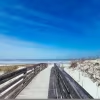
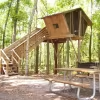
South Beach Boardwalk is a scenic boardwalk set at the top of tall, sea-oat-dappled sand dunes from which you can see the sparkling ocean below. If you are looking for Fort Pierce, Fla. beaches that are best for a picnic, here there are raised picnic pavilions, as well as showers and restrooms.

Jensen Beach, Sea Turtle Beach
- VISIT FLORIDA
The Beaches of Martin County
Encompassing the communities of Port Salerno, Stuart, Palm City, Jensen Beach, Indiantown, Jupiter Island, Hobe Sound and Hutchinson Island, Martin County serves up beautiful beaches and more than 75 parks – not to mention the most bio-diverse lagoon ecosystem in the Northern hemisphere, the St. Lucie Inlet.
Jensen Beach is bustling with excitement. Locals and visitors alike flock to the sandy shores of this park on Hutchinson Island. Several picnic pavilions, as well as volleyball courts, bathrooms and showers make this a complete all-ages park.
Stuart Beach overlooks the Atlantic Ocean and golden sand beach, featuring a 250-foot boardwalk. Volleyball and basketball courts are on site, as well as a playground and the Elliott Museum, which houses a collection of Americana dating back to 1750.
Bathtub Reef Beach is an undeveloped 1,300-foot beach with a shallow offshore reef that is good for snorkeling and diving. During low tide, inspect the tidal pools of the rocky reef for sea life. The park features lifeguards and a river boardwalk on the west side of MacArthur Boulevard leading to the Indian River.
St. Lucie Inlet State Preserve is set on the north end of Jupiter Island. This 928-acre park has 2½ miles of remote beach accessible only by boat. A boardwalk leads from docks to the shore. Inland you can explore the mangrove-lined creeks, or offshore, search the limestone reef for unique underwater life.
Blowing Rocks Preserve has extensive rock formations on and off shore. Fishing, snorkeling and diving are popular along this beach on Jupiter Island. There are no lifeguards on duty, but there is an extensive boardwalk area on the Intracoastal side on the park, as well as a nature center. You can enjoy the park even on days the ocean is too rough for swimming. Just be careful as you watch geysers explode through the formations when the waves crash on the rocks.
Hobe Sound National Wildlife Refuge is a pristine 967-acre park featuring 3½ miles of beach on Jupiter Island. It's one of the state's most popular turtle nesting beaches, so if you are here in the spring or summer, you'll be sure to spot some nests. On the mainland, preserved nature trails weave along the Intracoastal Waterway.
FREQUENTLY ASKED QUESTIONS ABOUT VERO BEACH AND FORT PIERCE AREA BEACHES
Q. Where are the Vero Beach and Fort Pierce area beaches?
A. These are Treasure Coast beaches on Florida's Atlantic side, spanning Indian River County (the Vero Beach and Sebastian area) and St. Lucie County (the Fort Pierce area). Highlights range from Sebastian Inlet State Park in the north to St. Lucie County's beaches around Fort Pierce.
The stretch is quieter and more natural than South Florida's big-city beaches, and it lies along the Archie Carr National Wildlife Refuge, a major sea turtle nesting area.
Q. What are the main beaches to know?
A. In the Vero Beach area, the city's guarded beaches include South Beach, Humiston Beach and Jaycee Beach Park, and Indian River County adds Golden Sands, Wabasso and Round Island Oceanside Park beach parks.
In the Fort Pierce area, key spots are Fort Pierce Inlet State Park, Pepper Park and the South Jetty. Sebastian Inlet State Park anchors the north end.
Q. Are there lifeguards?
A. Many beaches are guarded. The City of Vero Beach staffs South Beach, Humiston Beach and Jaycee Beach; Indian River County guards Golden Sands, Wabasso and Round Island; and St. Lucie County Ocean Rescue guards Pepper Park and Waveland Beach.
Hours are seasonal and daytime, so check the City of Vero Beach and St. Lucie County pages. Note that state parks have no lifeguards.
Q. What are the water conditions like?
A. These are Atlantic beaches, which generally have more waves than the Gulf. Conditions change daily, and rip currents can occur even when the ocean appears calm. The beaches use the warning-flag system.
Check the posted flags, follow lifeguard guidance, and remember conditions are never guaranteed calm. See the Vero Beach water safety page.
Q. What can I do at these beaches?
A. Popular activities include swimming, surfing, snorkeling, fishing, shelling and birdwatching. Sebastian Inlet is one of the East Coast's best-known surf spots and a top fishing location from its jetties.
Pepper Park provides access to the waters near the 1715 Spanish Fleet–Queens Jewels Underwater Archaeological Preserve, a popular snorkeling and diving site. For more information, see Pepper Park Beachside.
Q. Where can I go fishing?
A. There is excellent fishing from the jetties and piers at Sebastian Inlet and Fort Pierce Inlet, as well as the South Jetty area in Fort Pierce.
A Florida saltwater fishing license may be required; check current rules before you fish.
Q. How much does parking or entry cost?
A. The state parks charge a per-vehicle entrance fee; check the current amount on each park's official page, such as Sebastian Inlet's hours and fees.
Indian River County, St. Lucie County and City of Vero Beach public beaches generally offer free parking.
Q. What amenities are available?
A. Many county and city beach parks have restrooms, outdoor showers, picnic areas, and boardwalks, while amenities such as playgrounds, grills and sports courts vary by location. See Indian River County Parks and City of Vero Beach parks.
The state parks add trails, fishing areas and interpretive facilities; see Fort Pierce Inlet State Park. The state parks don’t have lifeguards.
Q. Are the beaches accessible for visitors with mobility needs?
A. There is ADA beach access at Golden Sands and Round Island in Indian River County, and beach wheelchairs are available at Round Island and Jaycee Beach Park in Vero Beach.
Indian River County requires a beach-wheelchair waiver; contact the county or city ahead of time to arrange one.
Q. Can I bring my dog?
A. Pets are not allowed on Indian River County beaches, with the exception of Walton Rocks Beach, which is St. Lucie County's designated dog beach. Walton Rocks Beach is located at 6700 South Ocean Drive, Jensen Beach (South Hutchinson Island - immediately south of the FPL St. Lucie Nuclear Plant). In St. Lucie County, pets aren’t allowed on most beaches, as county ordinance strictly bans animals in all county parks. However, exceptions exist in specific municipal jurisdictions like the Town of Indian River Shores and the Town of Orchid, which permit dogs under specific rules.
At the state parks, leashed pets are allowed only in designated areas such as parking lots and trails, not on the swimming beach.
Because rules differ by beach, confirm the current policy before bringing your dog.
Q. What about sea turtles?
A. This coast, within the Archie Carr National Wildlife Refuge, is one of the most important loggerhead and green sea turtle nesting stretches in the Western Hemisphere. The official season differs by county: in Indian River County it runs March 1 through Oct. 31, and in St. Lucie County it runs March 1 through Nov. 15.
During the season, keep clear of nests and nest markers, take beach chairs, umbrellas and toys with you at night, fill in any holes you dig, and keep lights off the beach after dark. See St. Lucie County's tips to protect sea turtles and the state's guidance on sea turtles and lights.
Q. When is the best time to visit?
A. The area has a mild climate year-round. Spring and fall bring especially comfortable weather, while summer offers the warmest water.
Arrive before mid-morning for the best parking, and check the forecast and posted beach warning flags before you go.
Q. Where can I eat, and what's nearby?
A. The towns of Vero Beach, Sebastian and Fort Pierce all have restaurants and shops close to the beaches, and Fort Pierce is known for its waterfront and farmers’ market.
See St. Lucie County beaches and City of Vero Beach parks for more.


