







By VISIT FLORIDA staff
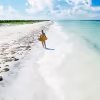
Beaches in and near Daytona Beach include 35 miles of sand on Florida’s central Atlantic coast, with a fantastic mix of bustling action and quiet, secluded seashore.
Some Daytona Beach beaches feature pedestrian-only areas that are perfect for families with children. Other beaches allow cars on them, which is perfect for disabled visitors or for folks with a lot of gear—such as fishermen.
Besides beach access at most street-ends, the area boasts plenty of beachfront public parks. Read on to discover which one is right for you.
Beaches and parks are listed geographically from north to south.
This quiet beach town is the northernmost of the Daytona Beach area. It's primarily a residential community, so there are plenty of quiet spots where you can bask in the sun. Walk the shoreline, take a dip in the ocean or just enjoy a beautiful sunrise. Al Weeks Sr. North Shore Park provides beachfront recreation and 100 paved parking spaces, as well as dune walkovers, a ramp for disabled beachgoers, restrooms and showers, and picnic tables and grills. Just south of North Shore Park, you’ll find Tom Renick Park, which offers features sheltered picnic areas, a playground, outdoor showers, restrooms and plenty of parking.
Bicentennial Park
This Ormond Beach park is located on the east and west sides of the beach road, and features spectacular views of the Atlantic Ocean and the Halifax River. The complex features baseball fields, basketball courts, a boardwalk, fishing dock, fitness trail, nature trail, pavilion, picnic area, playground, racquet ball court, restrooms, shuffleboard courts, soccer and football fields, and tennis courts.
Ormond Beach
Beach driving is a tradition here where world land speed records were set on the beach during the early 1900’s. You can still drive on a section of this beach, but the atmosphere is more relaxed, and reading a good book in the sun is the perfect activity. There are more than a half-dozen beach access points that have restrooms and showers. Visit the Birthplace of Speed Park that commemorates the area's first automobile timed trial in 1903. This park has a picnic area, restrooms and a dune walkover.

Daytona Beach
Daytona Beach
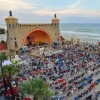
Nicknamed “The World's Most Famous Beach,” Daytona Beach is where the center of the action is. Fish the surf, parasail, visit the boardwalk and pier. Everyone in your family will have a blast. In addition to the public beach access points where you can drive right onto the beach, there's a mile-long, pedestrian-only zone surrounding the Daytona Beach Pier..
Sun Splash Park
Beachgoers can sun, splash and beat the heat here. The park features an interactive water fountain, decorative walkways, a shaded playground, volleyball courts, picnic areas, restrooms, showers and two beach access ramps. This is a perfect park to stay cool and happy.
Daytona Beach Shores
This 5.5-mile section of beach located just south of Daytona Beach is home to only 5,500 locals, and features many attractions commemorating the racing industry, making it one of the best Daytona Beach beaches for racing fans. Public access is available at several street ends, and if you are looking for a larger public park, Frank Rendon Park features sheltered picnic areas, grills, a playground, restrooms, showers, a beach walkway and an observation deck.
Ponce Inlet
This tiny town located at the southernmost tip of the area's barrier island provides a perfect spot to stop and enjoy the beach and sparkling Atlantic Ocean. In addition to swimming, surfing and sunbathing along the beach, the 52-acre Lighthouse Point Park has nature trails, an observation deck and tower, and pet-friendly picnic areas. Fishing along the beach or the inlet is a fun treat and a number of marinas offer easy access to deep-sea fishing charters and watersports outfitters.
Smyrna Dunes Park
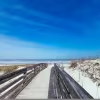
Perched on 73 acres of pristine land on the northern tip of the New Smyrna Beach peninsula, this park is surrounded by water on three sides: the Indian River to the west, the Ponce de Leon Inlet to the north and into the Atlantic Ocean to the east. It's a unique environment that is home to a variety of animals, birds, reptiles, marine life and vegetation. Explore more than two miles of elevated boardwalks that wind through the principal habitat, sand dunes. Guided nature walks are educational programs are also available. The park also features picnic areas, pavilions, a fishing pier, and an observation tower. Pets on a leash are allowed here.
New Smyrna Beach
Consisting of more than 13 miles of beautiful sandy beaches, New Smyrna Beach has a number of public access points and city and county parks. The beach is open to vehicles from sunrise to sunset in certain areas, and quaint restaurants and shops line the nearby streets.
Mary McLeod Bethune Beach Park
This six-acre park between the Halifax River and the Atlantic Ocean has a boardwalk on the oceanside and a fishing pier on the riverside. In addition to basking in the sun and dipping your feet into the warm Atlantic water, you can play basketball and tennis, watch the kids play in the playground or have a picnic. The park features a pavilion, grills, picnic tables and restrooms.
Canaveral National Seashore, Apollo Beach
Located approximately seven miles south of New Smyrna Beach, this is the northern beach access to the Canaveral National Seashore. The park is a barrier island which features ocean, beach, dune, hammock, lagoon, salt marsh and pine flatland habitats. It's a beautiful, quiet place to spend your time. This additional 24 miles of beachfront is undeveloped, so be sure to bring any supplies you may need for the day. There is a parking area with boardwalk access over the dunes. The park also has nature trails, lagoons, the Eldora State House historical site and the Turtle Mound archeological site. If you're looking for unspoiled beaches near Daytona Beach, don't miss this spot.
FREQUENTLY ASKED QUESTIONS ABOUT DAYTONA AND NEW SMYRNA BEACH AREA BEACHES
Q. Where are the Daytona and New Smyrna area beaches?
A. These Atlantic beaches line Volusia County, running from Ormond Beach in the north through Daytona Beach and Daytona Beach Shores to Ponce Inlet, then continuing to New Smyrna Beach and the undeveloped shore at the north end of Canaveral National Seashore.
Many stretches are famous for hard-packed sand you can drive on, managed by Volusia County Beach Safety.
Q. Can I drive and park on the beach?
A. Yes, in designated areas. Beach driving and parking are allowed in marked sections, seaward of the conservation markers, and standard traffic rules apply. Some stretches, such as the pedestrian zone near the Daytona Beach Pier, are traffic-free.
Access requires a pass, and driving is seasonal and tide-dependent. Buy passes and check current rules at Park Volusia and the county's beach driving and parking page.
Q. How much does beach access cost?
A. There are separate fees for on-beach driving and for off-beach parking, available as daily or annual passes; county residents get free access after registering.
Buy passes and confirm current pricing at Park Volusia.
Q. Are there lifeguards?
A. Yes. Volusia County Beach Safety provides lifeguard coverage across more than 40 miles of beaches, with staffing that expands in the summer. Here’s a map that marks the towers.
Coverage is seasonal and daytime, so swim near a staffed tower, watch the posted flags, and treat unguarded areas and times as swim-at-your-own-risk.
Q. What are the water conditions like?
A. These are Atlantic beaches where surf is variable and rip currents can occur. New Smyrna Beach is widely regarded as one of Florida's best surfing beaches.
Check the posted warning flags and lifeguard guidance before entering the water.
Q. Tell me about Canaveral National Seashore.
A. Canaveral National Seashore protects about 24 miles of undeveloped beach; its north district (Apollo Beach) is roughly seven miles south of New Smyrna Beach. It charges a per-vehicle fee and can reach capacity and close entry temporarily when full.
Q. Which inlet parks are worth visiting?
A. At Ponce Inlet, Lighthouse Point Park is a 52-acre park with boardwalks, a jetty, a nature trail and an inlet-side swimming beach. Across the inlet in New Smyrna Beach, Smyrna Dunes Park has more than a mile of elevated boardwalk, a fishing pier and an observation tower.
Both charge a per-vehicle inlet-park fee; see their pages for current details.
Q. What can I do at these beaches?
A. Popular activities include swimming, surfing, fishing from piers and jetties, kayaking, birding and wildlife viewing.
Beach parks such as Mary McLeod Bethune Beach Park in New Smyrna Beach also offer picnic pavilions, courts and playgrounds; see the county coastal parks index.
Q. Can I bring my dog?
A. Dogs are not allowed on the main Atlantic beaches, but they are welcome, leashed, at several parks, including Lighthouse Point Park and the inlet side of Smyrna Dunes Park, plus designated dog-friendly zones in Ormond Beach and Daytona Beach.
See the county's dogs on the beach page for exact locations and rules.
Q. Are the beaches accessible for visitors with mobility needs?
A. Volusia County offers free all-terrain beach wheelchairs on a first-come basis at lifeguard stations and beachfront parks, and beachside parks have accessible restrooms. Beach driving itself can make the sand easier to reach.
Visitors with disabled-parking credentials receive no-cost beach driving, off-beach parking and inlet-park entry; see the county Beach Safety page.
Q. What about sea turtles?
A. The area's beaches are important sea turtle nesting grounds with New Smyrna Beach leading county nest counts. Sea turtle nesting season in Daytona Beach and across Volusia County runs from May 1 through October 31.
Follow the lights-out and remove-your-gear guidance during nesting season; see the county's sea turtle information.
Q. When is the best time to visit?
A. The beaches are a year-round destination. Spring and fall bring pleasant, drier weather, while summer is warmest and busiest, with the warmest water.
Arrive early on weekends and holidays, and check the forecast and posted beach warning flags before you go.
Q. Where can I eat, and what's nearby?
A. Daytona Beach and New Smyrna Beach both have restaurants, shops and attractions near the sand, from the Daytona Beach Boardwalk and Pier area to New Smyrna's Flagler Avenue and Canal Street districts.
The historic Ponce de Leon Inlet Lighthouse near Lighthouse Point Park is also a popular stop. It’s Florida's tallest lighthouse and one of the state's best-known historic attractions.


