



SANDESTIN
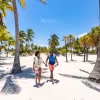
Sandestin, a sprawling 2,400-acre resort that hugs the Florida's Gulf waters, only offers beach access for guests. But immediately to its east, Topsail Hill Preserve State Park, located at 7525 W. County Highway 30A, Santa Rosa Beach FL 32459, promises a beach that ranks among the top on the planet.
Vibe
Outdoor wonderland with sugar-sand beaches and comfy amenities but no crowds.
1,600-acres, three miles of immaculate beaches, three coastal dune lakes and 15 miles of trails add up to make Topsail a natural paradise. Here, you’ll see kayakers dipping their paddles into gin-clear waters; campers greeting the sunrise with a cup of gourmet coffee; and red-shoulder hawks riding the laminar sea breezes.
See, feel
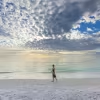
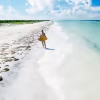
Towering dunes, pure white sand and clear, and bewitching, blue green water mark Topsail as one of best beaches in the world. The shoreline slopes gently, making it ideal for little ones or timid swimmers. While the water is usually placid, winds, tides and offshore systems can occasionally cause rough conditions.
On or near the beach
Do as little or as much as you like at Topsail: soak up the sun; swim; snorkel; or explore the trails via bike or on foot. Fish off the beach or in the lakes for common catches like redfish, Spanish mackerel, and pompano. Paddling is glorious here, either on the Gulf of America or on Campbell Lake, a 100-acre pristine coastal dune lake dotted with cypress trees and sweet-scented water lilies. Kayak, canoe and SUP rentals are available at the park store.
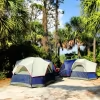
You can even stay the night on a camping expedition—and you don’t have to rough it, thanks to Topsail Outfitters. This luxury camping group promises experiences in the great outdoors without leaving the luxuries at home. Here's more information about things to do at Topsail.
Accessibility
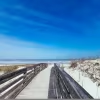
Dedicated to making the park welcoming to all visitors, Topsail Hill’s accessible amenities include trams to the beach; elevated boardwalks to the beach; several campsites with a concrete pad, picnic table and nearby restrooms; bungalows and cabins; and a clubhouse that’s available for rent.
Beach wheelchairs are available for free. Service animals are welcome in all areas of Florida State Parks.
Facilities
Amenities at Topsail include an amphitheater; cabins and bungalows; campgrounds; a canoe/kayak launch; a laundry; picnic pavilions; a playground; restrooms and showers; RV parking; a visitor center; a water fountain; a concession selling snacks, camping essentials and T-shirts and renting bicycles, beach carts, canoes, kayaks, stand-up paddleboards, beach chairs and umbrellas; and the Kith & Kin Café, a cozy gourmet coffee shop serving up locally sourced coffee, gourmet sandwiches and pastries.
Lifeguards
There are no lifeguards; swim at your own risk. Visitors are reminded to pay close attention to the Warning Flag Signs posted at welcome stations and on the beaches. These flags indicate the swimming conditions at the beach.
Parking
Parking is included with admission.
FREQUENTLY ASKED QUESTIONS ABOUT SANDESTIN
Q. Where is Sandestin?
A. In Miramar Beach, in the western corner of Walton County, on the Gulf between Destin and the 30A communities. Despite the name, Sandestin is not in Destin and not in Okaloosa County. It sits in South Walton, which matters because the beach rules, the dog permits and the lifeguard service here are Walton County's, not Destin's.
The Sandestin Golf and Beach Resort is a private resort spanning from the Gulf across to Choctawhatchee Bay, with lodging, golf courses, a marina and The Village of Baytowne Wharf inside it, sprawled across over 2,000 acres.
Q. Can I use the beach at Sandestin if I'm not staying there?
A. No. Sandestin's resort beach access points are generally reserved for eligible resort guests, property owners and their guests. The resort does not offer general public beach access, although the public may walk along the wet sand under Walton County's shoreline access rules. Visitors who want to spend the day swimming and sunbathing should use a nearby public beach access. The golf courses are a different matter and are open to the public, with tee times bookable by anyone, though resort guests get preferred rates.
Q. So where does the public go?
A. To Walton County's regional beach accesses, and there are two of them in Miramar Beach itself, within a short drive of the resort.
The county runs 11 regional beach accesses along the South Walton coast, from Miramar Beach in the west to Inlet Beach in the east.. These provide parking, restrooms, showers and bicycle racks, with accessible facilities at several locations. The county also maintains smaller neighborhood beach accesses, many intended primarily for pedestrians. These are the accesses to head for if you're staying off-resort.
Q. Are there lifeguards?
A. The South Walton Fire District staffs lifeguards at regional beach accesses from March 1 through Oct. 31, with limited roving coverage year-round. Lifeguard coverage is not continuous along the coastline, and visitors should not assume that private or resort beaches have lifeguards.
Q. How do I read the beach warning flags?
A. South Walton flies the standard Florida beach warning flags at the regional accesses and posts the day's condition.
Green is low hazard, which is not the same as risk free. Yellow is medium hazard, with moderate surf or currents. Red is high hazard, with high surf or strong currents. Two red flags mean the water is closed to the public, and entering the water is prohibited. Purple means marine pests such as jellyfish have been reported, and it can fly alongside any other color. The county publishes conditions and the flag meanings on its beach access FAQ.
Entering the water when double red flags are flying carries a fine.
Q. What is the water like?
A. The Gulf here tends to be calmer than Florida's Atlantic coast, with the white quartz sand and clear green water this stretch is known for. Tends to. Wind, tides and offshore can make conditions rough, and rip currents can form even when the water looks calm.
If you're caught in a rip current, swim parallel to shore until the pull releases rather than fighting straight back in. Signal the nearest lifeguard if you are at a staffed regional access, and call 911 in an emergency.
Shuffle your feet on the way in to warn away stingrays.
Jellyfish arrive on some winds. If you're stung by a jellyfish, get out of the water and rinse the affected area with seawater, not fresh water. Avoid rubbing the skin or touching any remaining tentacles with bare hands. Hot-water immersion can help relieve pain from many jellyfish stings. Seek medical attention for severe or persistent symptoms, and call 911 for difficulty breathing, fainting or other signs of a serious allergic reaction.
Q. Is the beach in front of my rental public or private?
A. It depends on the property. Walton County has public beaches, privately managed beaches and certain owner-managed private beaches covered by a 2023 settlement agreement. On those settlement-covered beaches, the public may use a strip extending 20 feet landward from the wet/dry sand line, subject to restrictions. Other private beaches may have different access rules. The county's interactive beach-access map identifies the various categories.
Those conditions are specific: sunbathing on those stretches is permitted only between 9 a.m. and 4 p.m., capacity is limited to one person per five linear feet of beach, and you have to reach the sand at a designated public access point rather than cutting through private property. Walking, running and entering the water are allowed. If you want no ambiguity, use a regional beach access.
Q. Is the beach accessible?
A. Beach wheelchairs designed for soft sand are free of charge at four lifeguard tower sites, including Miramar Beach at Tower 54, the closest to Sandestin.
They're available March 1 through Oct. 31, from 10:30 a.m. to 5:30 p.m. There is also wheelchair-friendly matting at the Ed Walline regional access further east. Details are on the county's accessibility page.
Q. Can I bring my dog to the beach?
A. Dogs on Walton County beaches require a permit, and the permit is available only to Walton County property owners and permanent residents. There is no visitor or tourist version.
For eligible Walton County property owners and permanent residents, annual permits allow leashed dogs on the beach during designated hours. A current rabies vaccination certificate and proof of residency or property ownership are required. The county sets out the rules on its beach permits page.
If you're visiting with a dog, plan on the resort's pet-friendly lodging and the inland trails rather than the beach.
Walton County expressly exempts ADA-qualified service dogs from its beach dog permit restrictions.
Q. What is there to do besides the beach?
A. The Village of Baytowne Wharf inside the resort is the main hub, with restaurants, shops and an events calendar through the year. There's a marina on the bay side for fishing charters and watersports, and four golf courses.
Outside the gates, Miramar Beach has shopping and dining along U.S. 98, and the 30A communities run east from here along the coast. Miramar Beach is the neighborhood to look at for what's nearby.
Q. When is the best time to visit?
A. Late spring and early fall give you warm water, comfortable air and lifeguard coverage at the regional accesses at the same time. Summer is hot and humid with afternoon thunderstorms that usually pass through and clear, and the Gulf is at its warmest.
Winter is the trade-off here. The air can be pleasant, but Gulf water along the Panhandle drops into the low 60s Fahrenheit (about 16 Celsius) in January and February, too cold for most people to swim, and the lifeguards are off until March. Winter is for walking the beach rather than getting in it.
Q. What about sea turtles?
A. Nesting season in South Walton runs May 1 through Oct. 31. Permitted staff and volunteers with South Walton Turtle Watch survey the county's beaches daily through the season, identifying crawls and marking nests with stakes and flagging tape.
Leave nests and their markers alone. Fill in holes and knock down sandcastles before you go, because either can trap a hatchling, and take chairs, umbrellas and tents off the sand overnight.
Artificial lighting can disorient nesting turtles and hatchlings, drawing them away from the Gulf. During nesting season, turn off unnecessary beachfront lights, close curtains and blinds at night, and use properly shielded, turtle-friendly lighting where permitted. Even amber lighting must be installed so it doesn't disturb nesting turtles or hatchlings. South Walton's sea turtle page covers the local rules, and sick, stranded or injured turtles go to the South Walton Turtle Watch hotline at 850-865-4503.


