








HONEYMOON ISLAND STATE PARK
Where
Honeymoon Island is located at #1 Causeway Blvd., Dunedin FL 34698.
Vibe
Four miles of pristine shoreline with convenient amenities.
You don’t have to rough it to discover the natural beauty of Honeymoon Island. A haven for wildlife, this popular escape from the city promises perks like restrooms and a café. Here, expect to see eagles, osprey and great horned owls plying the winds; families relaxing by the surf; and on the south end of the beach, wagging tails at the dog beach.
See, feel
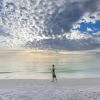
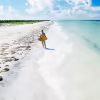
Popular but never towel-to-towel crowded, Honeymoon Island is undeveloped, and its beaches are ungroomed, stretching for four miles against the calm, blue-green waters of the Gulf. The shoreline encompasses a dog beach on the south, designated swimming areas at the main beach, and fabulous shelling on the north beach, which fades to a sand spit. The sand is white to a creamy brown color, and the water is shallow, making it beloved by families.
The bottom of the beach sometimes has rocks, so you may want beach shoes.
The water is normally tranquil, but winds, tides and offshore systems can occasionally cause rough conditions.
Pay particular attention at the island's northern end: erosion has cut off the northernmost section of the sandspit, and Florida State Parks warns visitors not to enter or cross the water there because of deep water, rapidly changing depths, underwater hazards and strong currents.
On or near the beach
Soak up the sun and relax—or get as active as you’d like on Honeymoon Island. You can swim; fish for species like Spanish mackerel, cobia, ladyfish and tarpon; hike through virgin slash pine stands along the Osprey Trail; rent a bike from Wheel Fun Rentals; paddle; or even surf: it's usually good on the north end by bathhouse 3. Here’s where you can learn more about park activities.
Feed the fun with a picnic, or splash over to Café Honeymoon for a freshly-made burger or sandwich.
Accessibility
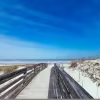
Dedicated to making the park welcoming to all visitors, accessible amenities at Honeymoon Island State Park include the Rotary Centennial Nature Center; elevated boardwalks to the beach; a concession with food and a gift store; picnic facilities with tables and grills; a Limitless playground at the picnic area; parking; and restrooms.
Beach wheelchairs are available for free. Inquire at the ranger station.
Service animals are welcome in all areas of Florida State Parks.
Facilities
Amenities at Honeymoon Island include restrooms; showers; picnic pavilions; a concession offering food, beverages, beach supplies and souvenirs as well as kayak, umbrella and beach chair rentals; interpretive kiosks throughout the park; a Limitless playground (accessible to all); Slipp's Ice Carts in three locations; the Rotary Centennial Nature Center; and an elevated observation deck, delivering spectacular views and opportunities to see wading birds.
The park is also the ferry terminal for access to another unspoiled state park, Caladesi Island.
Lifeguards
There are no lifeguards. Swim at your own risk. Visitors are reminded to pay close attention to the Warning Flag Signs posted at welcome stations and on the beaches. These flags indicate the swimming conditions at the beach.
Parking
Parking is available for the beach, at the picnic area and at the Rotary Centennial Nature Center.
FREQUENTLY ASKED QUESTIONS ABOUT HONEYMOON ISLAND STATE PARK
Q. Where is Honeymoon Island State Park?
A. About two miles west of Dunedin in Pinellas County, reached by the Dunedin Causeway. It's a barrier island on the Gulf with roughly four miles of beach, and it's one of the most visited parks in the Florida state park system. The park's official page has current conditions and alerts.
Q. What are the hours and what does it cost?
A. The park is open 8 a.m. until sundown, 365 days a year. Entry is charged per vehicle, with lower rates for a single-occupant vehicle and for anyone walking or cycling in. Current rates are on the park's hours and fees page.
The Rotary Centennial Nature Center keeps its own schedule, 9 a.m. to 5 p.m. Wednesday through Sunday.
Q. Are there lifeguards?
A. No. Honeymoon Island has no lifeguards anywhere in the park, and swimming is at your own risk.
Q. Is the water safe to swim in?
A. Swimming is available in designated areas on Main Beach, but there are no lifeguards. Pay particular attention at the island's northern end: erosion has cut off the northernmost section of the sandspit, and Florida State Parks warns visitors not to enter or cross the water there because of deep water, rapidly changing depths, underwater hazards and strong currents.
Check the beach warning flags, which are posted at the welcome stations and on the beaches. Green means low hazard, which is not the same as risk free. Yellow is medium hazard, red is high hazard, double red means the water is closed to the public and entering the water is prohibited, and purple means stinging marine life has been spotted.
Two practical things. Shells and rocks along parts of the shoreline are sharp enough to cut a bare foot, so water shoes are a genuinely good idea here. And stingrays can occur in Gulf shallows, so shuffle your feet as you wade.
Q. Can I bring my dog?
A. Yes, and Honeymoon Island is genuinely good for it, but the boundaries are strict. There's a designated Dog Beach at the southern end of the island where leashed dogs are welcome in the water and on the sand. Dogs are also allowed on the nature trails and in much of the park.
Dogs are not allowed on Main Beach or North Beach. Leashes must be handheld and no longer than six feet. Pets are also not permitted on the ferry to Caladesi Island, so a dog rules out that side trip.
Q. What amenities are there?
A. More than a typical state park beach. There are restrooms and showers, a café serving food and drinks including alcohol, and a concession renting bicycles, kayaks, beach chairs and umbrellas. The picnic area has covered pavilions, tables and grills, with a playground nearby.
The park's amenities page carries the full list.
Q. Is the park accessible?
A. Yes, and it's better set up than most beaches on this coast. Beach wheelchairs are free. There's accessible parking, ADA-compliant restrooms, paved paths, and raised boardwalks running out to the sand so you aren't crossing loose beach to get there. The nature center, the café and the picnic area are all wheelchair accessible.
Q. What are the nature trails like?
A. The Osprey Trail provides about 2.5 miles of walking through one of the few remaining South Florida virgin slash pine stands. Very little of that forest type survives anywhere in Florida.
Ospreys nest in those pines and are easy to spot overhead. The park runs guided beach walks and osprey trail walks seasonally, which are worth timing a visit around if birds interest you. Here’s where you can find the current schedule. Bring insect repellent. Mosquitoes can be thick along the trails and around the parking areas.
Q. How do I get to Caladesi Island from here?
A. The Caladesi Island ferry leaves from the Honeymoon Island marina and takes about 20 minutes each way. Tickets are sold round trip, and your stay on Caladesi is capped at four hours unless you arrive by private boat.
Caladesi is a separate state park with its own beach, café and trails. The usual public access is by ferry or private boat. Pets can't ride the ferry. Check the ferry's own page for the day's schedule before you count on it, since sailings depend on weather and water conditions.
Q. Is it good for families?
A. It works well, with the lifeguard caveat front and center. The playground, picnic pavilions, restrooms, café and rentals are all clustered near the main parking areas, so a day here is easy to manage with kids.
Because nobody is watching the water, stay within arm's reach of young swimmers, read the beach warning flag when you arrive, and put water shoes on everyone. The nature center is a good break out of the sun, and the trails are flat and manageable for most ages.
Q. When should I visit?
A. October through April is the most comfortable stretch on land, with mild air, fewer mosquitoes and the guided walks running. The trade-off is water temperature: the Gulf here drops into the low to mid-60s Fahrenheit (16 to 18 Celsius) in January and February, too cold for most people to swim for long.
Late spring and early fall are the sweet spot if you want both, warm water and tolerable air. Summer brings the warmest water along with heat, humidity and afternoon thunderstorms that usually move through quickly. The park is popular and the lots do fill on weekends and holidays, so mornings are the safer bet, though plenty of weekdays stay quiet.
Q. What about sea turtles?
A. Nesting season in Pinellas County runs May 1 through Oct. 31. Clearwater Marine Aquarium patrols about 21 miles of north Pinellas shoreline for nests, starting April 15 and walking the beach before sunrise seven days a week.
Leave nests and their markers alone. Fill in any holes you dig and flatten sandcastles before you go, since a hatchling can get trapped in either. Take chairs and umbrellas off the sand at the end of the day. And keep lights off the beach after dark if you're nearby, because artificial light pulls hatchlings inland instead of out to the Gulf. Pinellas County covers the local rules, and disturbed nests or injured turtles go to the state Wildlife Alert line at 888-404-3922.


