






FORT MYERS BEACH
Where
A seven-mile-long sliver of paradise heaped with sugar sand, Fort Myers Beach boasts 29 public beach accesses, many which have public parking and are ADA accessible via mobi mat or ramp. Here’s a map of the accesses. The island also offers beach parks that include Bowditch Point Park and Crescent Beach Park. Anchoring the island and sited next to Times Square, Lynn Hall Pier and Memorial Park is located at 950 Estero Boulevard, Fort Myers Beach, FL 33931.
Vibe
Popular white sand beach located conveniently close to the stores and eateries of lively Times Square. The ultimate in casual fun, Lynn Hall Park welcomes beachgoers of all sorts: families that love the quiet waters; couples that come to watch a romantic sunset over the waves; and fishermen eager to try their luck casting into the surf.
See, feel
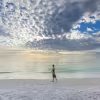
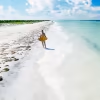
The beach at Lynn Hall Park is still a marvel of soft, white sand bordered by the placid, blue-green waters of the Gulf of America. The water is shallow and the bottom is gradually sloping. Here, kids construct sandcastles and ospreys soar the breeze, while the melody of the surf and shorebirds make for a peaceful soundtrack. Though the water is normally calm, winds, tides and offshore systems can occasionally cause rough conditions.
On or near the beach
Play in the tranquil surf; enjoy a game of frisbee; fish from the shore; or just plant your beach umbrella in the sand and let the sun and salt air work their magic. Fuel the fun with a picnic or stroll over to Times Square, where you can cool off with smoothies, cones and shakes at Cold Stone Creamery; nosh on pizza or burgers at Bella Mozzarella; or scoop up an sun shirt at UPF50.
Accessibility
Lynn Hall Park offers accessible parking (which is free). One of the portable restrooms is ADA accessible.
Facilities
You’ll find portable restrooms at Lynn Hall Park. Bring everything you need: water, food, sunscreen, insect repellent and the like, as the park’s facilities aren’t open at this time.
Lifeguards
There are no lifeguards; swim at your own risk.
Parking
Lynn Hall Park offers 115 parking spaces. Here’s where you can find more information about parking, which utilizes a mobile pay system. Accessible parking is free.
FREQUENTLY ASKED QUESTIONS ABOUT FORT MYERS BEACH
Q. Where is Fort Myers Beach located, and how do I get there?
A. Fort Myers Beach occupies Estero Island on the Gulf coast, about 15 miles southwest of downtown Fort Myers in Lee County. The island's central beach park, Lynn Hall Memorial Park, is at 950 Estero Blvd., Fort Myers Beach, Fla. 33931.
From Fort Myers, take U.S. Highway 41 south to Summerlin Road (State Road 869) west, then cross the Matanzas Pass Bridge to Estero Boulevard.
Q. Has Fort Myers Beach fully recovered from Hurricane Ian?
A. Not fully, but the beach is open and much of the island is operating. Hurricane Ian struck in September 2022 and caused widespread destruction along Estero Island, and some parts of the waterfront were still being rebuilt as of mid-2026.
All 29 public beach accesses are open. Many hotels, restaurants and attractions have reopened, and the Fort Myers Beach Chamber of Commerce is direct: “We’re still rebuilding, but Fort Myers Beach is full of things to enjoy — from fun activities to an incredible selection of restaurants ready to serve you fresh seafood and so much more. There’s a wonderful energy here, and we love sharing it with everyone who visits!” Some businesses have not yet returned, so confirm that any specific restaurant or venue is open before making a special trip. For the latest updates, visit the Town of Fort Myers Beach website or call Town Hall at 239-765-0202.
Q. What amenities are available at Fort Myers Beach?
A. The town maintains 29 public beach accesses along Estero Boulevard. Lynn Hall Memorial Park, adjacent to Times Square, has 115 parking spaces and picnic areas. Portable restrooms are at several accesses, including one ADA-accessible unit.
Mobi mats for beach wheelchair access are in place at accesses 23, 27 and 31 through 36. A beach wheelchair loan program offers two wheelchairs seven days a week at no charge.
There are no lifeguards on duty anywhere along Fort Myers Beach. Swimmers are fully responsible for self-monitoring in the water.
Q. What are the hours at Fort Myers Beach, and how does parking work?
A. The 29 public beach accesses are open with no posted hours. Lynn Hall Memorial Park parking uses a mobile payment system; no cash is accepted. ADA-accessible spaces are free.
For current parking rates and lot availability, and information on mooring call the Town of Fort Myers Beach parking information line at 239-463-5888. Their website also includes parking and mooring information.
Q. What are the water conditions like at Fort Myers Beach?
A. The Gulf waters at Fort Myers Beach is typically calm and warm, with a gently sloping sandy bottom that stays shallow well out from shore. The gradual depth makes entry manageable for many swimmers.
Conditions can shift with wind, tides and passing storms, and can become rough. There are no lifeguards on duty anywhere on Fort Myers Beach, so check for any posted flags at beach accesses before entering the water and keep a close watch on children at all times.
For current beach conditions, call the Town of Fort Myers Beach at 239-765-0202.
Q. Is there a fishing pier at Fort Myers Beach?
A. Lynn Hall Memorial Pier, adjacent to Lynn Hall Memorial Park near Times Square, is the main public fishing pier on Estero Island. The pier is managed by Lee County Parks and Recreation. It’s being rebuilt following Hurricane Ian. Check Lee County Parks & Recreation for the latest construction updates and anticipated reopening schedule.
Q. What other beach parks are on or near Estero Island?
A. Bowditch Point Regional Park sits at the quiet northern tip of the island with picnic areas and Gulf views across Matanzas Pass. Crescent Beach Family Park, near the middle of the island, offers a slightly less trafficked stretch of sand. Both are managed by Lee County Parks and Recreation.
Just south of the island, Lovers Key State Park adds two miles of undeveloped beach, paddling trails through the mangroves and good habitat for manatees, dolphins and bald eagles. It's a short drive across the bridge and a noticeably quieter setting than the main island.
Q. What is there to do beyond the beach on Fort Myers Beach?
A. The Mound House at 451 Connecticut St. is an archaeological museum covering nearly 2,000 years of history on Estero Island, from the Calusa people through the present. The museum is open Wednesday through Saturday 9 a.m. to 4 p.m.; the grounds open daily at 7 a.m. Eco-kayak tours through the mangroves are offered seasonally. Call the Mound House at 239-765-0865 for current tour availability.
Salty Sam's Marina at 2500 Main St. runs dolphin and wildlife cruises, the Pieces of Eight pirate cruise and boat and kayak rentals. Call Salty Sam's Marina at 239-463-7333 for current schedules and pricing.
Q. Where can visitors get a meal near Fort Myers Beach?
A. Doc Ford's Rum Bar & Grille at 708 Fishermans Wharf is a long-running island fixture that returned after Ian, with waterfront seating on Estero Bay, live music and a Gulf seafood menu. The restaurant is open daily 11 a.m. to 10 p.m. Call Doc Ford's at 239-765-9660 to confirm current hours.
The dining scene on the island continues to grow as recovery progresses. The town website at fortmyersbeach.org keeps an updated list of open businesses.
Q. Is Fort Myers Beach good for families with kids?
A. The Gulf water here tends to be calm and shallow with a gradual sandy bottom, which makes it suitable for some younger swimmers. Keep in mind there are no lifeguards on duty anywhere on the island, so parents need to stay actively close to children in the water.
The Mound House has hands-on exhibits and live history programming that hold kids' attention well, and the Salty Sam's pirate cruise is consistently popular with families with younger children.
Families planning a first post-Ian visit should confirm hotel and attraction availability in advance. Recovery has been uneven across different parts of the island, and some familiar landmarks from earlier trips may not yet be back.
Q. What wildlife and shelling can visitors find at Fort Myers Beach?
A. Fort Myers Beach is known for disc dosinia, a round white clam shell that appears frequently along the Gulf shoreline, especially after a high tide or a passing storm. The island is not as prolific for shelling as nearby Sanibel, but early-morning walks at low tide yield steady finds.
Dolphins are spotted regularly from the beach and pier. Ospreys nest on light poles and structures throughout the island, and manatees turn up in the bays and marina areas in cooler months. Sea turtle nesting season runs May through October, and nests are marked and protected by state wildlife officials.
Collecting live shells or disturbing sea turtle nests is prohibited under Florida law.
Q. When is the best time to visit Fort Myers Beach?
A. December through April is the peak season, with the most comfortable temperatures, the most businesses open and the highest hotel rates. This window also draws the highest visitor volume.
Fall (September through November) offers warm Gulf water, lighter crowds and lower rates. It's the best window for visitors who want the full beach experience without competing for space on the sand or at restaurants. Be aware the that six-month long Atlantic hurricane season runs from June 1 until Nov. 30, with the peak months being August, September and October. Summer is warm and rainy, with afternoon Gulf Coast thunderstorms arriving most days from June through September. Morning visits tend to work best in summer.
One note specific to this destination: some parts of the island are still being rebuilt after Ian, and availability of specific hotels, restaurants and attractions varies. Confirm your plans before arriving, especially if you're visiting for a reason beyond the beach itself.


