








CEDAR KEY
Where
Lil Shark Park, Cedar Key’s public beach, is sited at 192 2nd St, Cedar Key, FL 32625, in Cedar Key City Park.
Vibe
Small family and dog-friendly beach in a charming, walkable enclave.
More a fishing village than a beach town, Cedar Key’s personality is flip-flops and shorts, not high heels. Lil Shark Park promises a kicked-back place to work on your tan, breathe in sweeping views of the Gulf, and exclaim at dolphins curving out of the waters. It’s rarely crowded and offers amenities like restrooms and showers.
See, feel
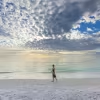
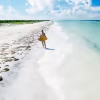
Glistening white sand, a roped off swimming area, and tranquil, shallow waters make this tiny beach park a favorite with families. Here, kids build sand castles; dogs stretch out on towels next to their owners; and beachgoers cool off in the Gulf.
The bottom is muddy and there can be sandspurs, so consider beach shoes.
While the waters are usually calm, winds, tides and offshore systems can occasionally cause rough conditions.
On or near the beach
Lil Shark Park’s pleasures are simple yet profound: Soak up the sun and the quiet vibe; splash in the placid waters; or enjoy a romp with your pooch.
Birders will have an eyeful. The Park is part of the Great Florida Birding Trail, and is frequented by a variety of shorebirds in the winter and during migration; Black Skimmers and Royal Terns may be present as well.
The kids can burn off steam in the playground, and if you feel more adventurous, you can rent a kayak nearby, or head to the pier to explore or fish.
Fuel the fun with a picnic that you can enjoy at a table in the shade, or stroll a few blocks into town to discover eclectic eateries like the Tipsy Cow Bar and Grill and Steamers Clam Bar.
Accessibility
There are no accessible amenities at Lil Shark Park.
Facilities
Lil Shark Park offers restrooms and showers; a playground; and nearby kayak and paddleboard rentals.
Lifeguards
There are no lifeguards; swim at your own risk.
Parking
Parking is free but limited.
FREQUENTLY ASKED QUESTIONS ABOUT CEDAR KEY
Q. Where is Cedar Key?
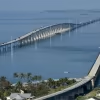
A. On Florida's Nature Coast in Levy County, out at the end of State Road 24 southwest of Gainesville. It's an island community in the Gulf, reached by a series of bridges, with a year-round population of around 1,000.
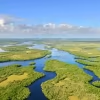
This is the Big Bend, where the peninsula curves west toward the panhandle. It's a very different coast from either the Panhandle or southwest Florida: more marsh, oyster bar and tidal flat than open sand.
Q. Is there actually a beach?
A. Yes, but set your expectations correctly. Cedar Key's swimming beach is a small city park at 192 Second St., with white sand, a shallow entry and a swimming area marked off by buoys.
It's a pleasant, sheltered spot for a paddle rather than a long stretch of Gulf shoreline. The bottom turns muddy as you go out, and sandspurs grow in the grass near the sand, so shoes are worth having. If you're picturing miles of powdery beach, that's the Panhandle, not here.
Q. What's at the beach park?
A. Restrooms, outdoor showers, a playground, picnic tables, benches and a pavilion, all right by the beach. Parking is free, but there isn't much of it.
Q. Are there lifeguards?
A. No. There are no lifeguards at Cedar Key, and swimming is at your own risk, even inside the buoyed area.
The water here is generally shallow and calm, sheltered by the offshore keys, so the risks are different from a surf beach. Watch the tide instead: this coast has a large tidal range, and what was waist-deep water can become mudflat within a couple of hours. Keep small children close, and call 911 in an emergency.
Q. Is the beach accessible?
A. There are no accessible amenities at the beach park, no beach wheelchair program and no matted path over the sand.
The town itself is small, flat and walkable, which helps, and much of what people come to Cedar Key for, the restaurants, galleries and waterfront views, is reachable without crossing sand.
Q. Can I bring my dog?
A. Yes, and this is one of the things that sets Cedar Key apart. It's a genuinely dog-friendly town, and dogs are welcome at the beach park and around the village. Keep yours leashed and clean up.
Q. What is there to do?
A. More on the water than on the beach. Kayaking and paddleboarding out to the offshore keys is the signature activity, and the water is usually calm enough for beginners. Fishing and boating are the other two, and there are guides in town for both.
Birding is excellent. Cedar Key sits on the Great Florida Birding and Wildlife Trail, and black skimmers, royal terns and shorebirds work the flats. Dolphins are common in the channels.
On land, there's the historic village itself, the Cedar Key Museum State Park, and Cedar Key Scrub State Reserve just inland.
Q. What about the wildlife refuge?
A. The Cedar Keys National Wildlife Refuge covers a scatter of small islands offshore, including Atsena Otie Key, the town's original site, and Seahorse Key with its 19th-century lighthouse.
Most of the refuge is reachable only by boat, and parts close seasonally to protect nesting birds, so check before you paddle out. On the mainland nearby, the Shell Mound Unit has a boardwalk and a rebuilt pier, and the shell mound itself is a substantial prehistoric midden built up over centuries.
Q. What's the deal with the clams?
A. Cedar Key is Florida's clam capital, and this is a working waterfront.
After a statewide net ban in 1994 ended much of the commercial fishing here, the town moved into aquaculture. Around 150 growers now farm submerged leases off Levy and Dixie counties, harvesting well over 100 million hard clams a year, and Cedar Key produces the large majority of Florida's farmed clam crop. Those boats you see working the flats at low tide are clammers.
Eat them while you're here. It's the freshest they will ever be.
Q. Where should I eat?
A. Second Street is the town's main hub for restaurants and shops, and Steamers Clam Bar is worth a visit.
Worth knowing before you go: Dock Street, historically the heart of the waterfront and home to The Tipsy Cow Bar and Grill, is still working its way back. Some businesses have moved, are operating from temporary premises, or have not reopened. Check that a specific restaurant is open before you build an evening around it.
Q. Can I fish from the pier?
A. The City of Cedar Key Fishing Pier is open for fishing.
The pier at the Shell Mound Unit north of town has been rebuilt and is open. Otherwise, fishing here is mostly done from a boat, and there are charter guides in town who know the flats.
Q. Is Cedar Key open to visitors?
A. Yes. The town took serious storm damage in recent years and has recovered substantially: hotels, restaurants and shops reopened, and visitors are back through the busy months.
The recovery isn't finished, and parts of the waterfront are still being rebuilt, so a little flexibility helps. But the island is open for business and glad to see people.
Q. Is it good for families?
A. For a certain kind of family day, yes. The buoyed swimming area is shallow and calm, there's a playground and restrooms right there, and the town is small enough that children can have some freedom.
It's not a resort beach, though. There are no lifeguards, no concessions on the sand, no rentals, and the swimming area is modest. Families who want a full beach day with amenities will do better elsewhere; families who want kayaking, birds, seafood and a quiet island will do much better here.
Q. When should I visit?
A. Fall and spring are the best of it, with mild air, lower humidity and good paddling conditions. Winter is quiet and pleasant on land, though the Gulf drops into the low 60s in January and February, too cold for most people to swim.
Summer is hot and humid with afternoon thunderstorms, and the bugs on the marsh side are real, so bring repellent. Cedar Key also runs two well-attended festivals, a seafood festival in October and an arts festival in spring, which fill the island's limited lodging months ahead.
Q. What about sea turtles?
A. Florida's nesting season runs May 1 through Oct. 31 statewide. Cedar Key isn't a significant nesting beach, because this coast is mostly marsh, mudflat and oyster bar rather than the open sandy shoreline turtles need, so you're far less likely to encounter a nest here than on the Atlantic or lower Gulf coasts.
The same courtesies apply if you do. Leave nests and markers alone, fill in holes, take gear off the sand overnight, and keep lights off the beach after dark. The state's sea turtle lighting guidance covers the rules, and stranded or injured wildlife goes to the Wildlife Alert line at 888-404-3922.


